Fitting TopOne Game Into a Working Week
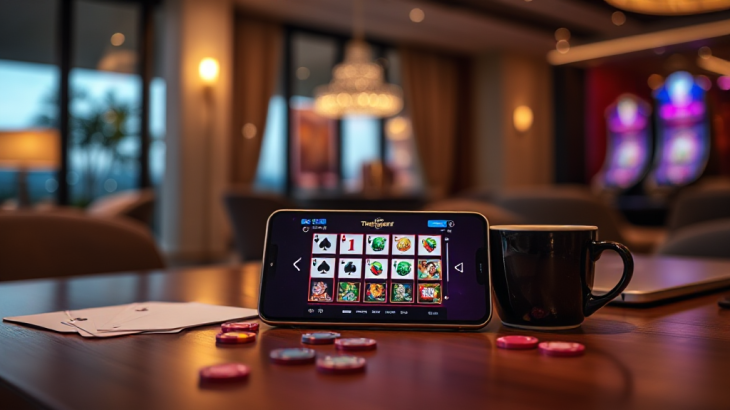
Most working adults know the feeling: the laptop closes at 7 p.m., the inbox finally goes quiet, and there is a small window of time before the next day starts. That window is where leisure has to fit, and for a lot of people, a short mobile gaming session is exactly the right size. The trick is making sure the session fits the window, rather than the window stretching to fit the session. That is where a structured approach to something like the best game on your phone becomes genuinely useful. TopOne Game, a real-cash gaming app offering slots, Teen Patti and live casino tables, is the kind of entertainment that works best when you decide in advance when it starts and when it stops.
This is not about willpower. It is about planning, the same way you plan a gym slot or a call with a client. The goal is simple: enjoy the session, keep your week intact, and never let a quick round turn into a lost evening.
Deciding Your Session Length Before You Open the App
The single most effective habit is choosing a session length before you log in. Not during. Not after. Before. A realistic number for a weeknight is 20 to 30 minutes, which is roughly the length of one episode of a show you would watch anyway. On a Friday or a quiet Sunday afternoon, 45 to 60 minutes is reasonable. What matters is that the number is decided while you are calm and not while you are mid-session and enjoying yourself.
Once you have a number, give it a shape. A 30-minute session might be two or three short slot runs, or one Teen Patti table with a fixed buy-in. If you are drawn to live casino tables, remember that dealer-paced games run on their own rhythm, so a 30-minute limit can feel shorter than it is. Set a timer on your phone, not inside the app, so the alert is independent of whatever you are playing. When it goes off, the session ends. No extensions, no “one more hand.”
It also helps to decide which days you play at all. Many people find that three or four evenings a week is plenty, with the other nights reserved for other things. Writing those days down turns gaming into a scheduled activity rather than a default one, and that single change removes most of the friction people describe when they talk about losing track of time.
Budget Caps That Survive a Busy Month
Time and money are the two resources a gaming session consumes, and both deserve a cap. A weekly budget is easier to manage than a monthly one because it resets more often and is easier to track mentally. Pick a figure that is genuinely disposable income, meaning money you would not miss if it were gone. Then divide it across your planned sessions so each one has its own limit.
Two practical rules make this work. First, never top up a session that has hit its cap, even if you are ahead or behind. The cap is about the session, not the result. Second, keep your gaming balance separate from your everyday spending account. This is a small administrative step that prevents the awkward moment when a fun evening quietly borrows from next week’s groceries.
It is also worth reviewing your caps once a month. A busy month with extra work travel might mean fewer sessions and a smaller budget. A quiet month might allow a little more. Adjusting the numbers to match your actual life is what keeps the plan realistic instead of aspirational, and a plan you actually follow is worth more than a strict one you abandon in week two.
Notification Settings, Telegram Support and Other Practical Controls
Your phone’s notification settings are quietly one of the most powerful tools you have. Promotional alerts, bonus reminders and app notifications are designed to bring you back, which is fine when you have planned a session and less helpful when you are trying to concentrate on work. Turning off non-essential push notifications, or scheduling them to arrive only during your chosen play windows, keeps the app in its proper place in your day.
Bonus and login features are part of the experience, and there is nothing wrong with using them — as long as they fit your plan rather than reshape it. If a bonus is available, check whether claiming it requires a session you had not planned. If it does, it can wait. The same goes for app updates and APK downloads: handle those during a maintenance slot, not in the middle of a work afternoon.
Support is another area where a little structure helps. TopOne Game offers Telegram support, which is useful for account questions, login issues or bonus queries. Treat it the way you would treat any customer service channel: use it when you have a specific question, keep your messages clear, and avoid relying on it as a social space during work hours. Knowing support exists is reassuring; using it deliberately keeps it useful. For players who want to explore the platform properly before committing time, the top one destination is the natural starting point.
A Weekly Review That Keeps the Habit Healthy
Five minutes at the end of the week is enough to keep everything on track. Ask three questions: Did I stay inside my time limits? Did I stay inside my budget? Did the sessions feel like leisure or like something I had to do? If the answers are yes, yes, and leisure, your plan is working. If any answer is off, adjust one variable — not all of them — for the coming week.
This review is also the right moment to check in on how the app fits your broader routine. If a particular game type consistently runs longer than expected, either shorten the session or move it to a weekend. If live tables feel too absorbing on a work night, save them for Friday. Small adjustments like this are far more sustainable than dramatic resolutions.
It is worth remembering that this is entertainment, and entertainment should add to a week rather than compete with it. A well-planned session can be a genuinely good way to decompress after a demanding day. The top one game experience is at its best when you arrive rested, play within your limits, and leave on your own terms.
One last point that experienced players tend to agree on: the quality of a session has very little to do with its length. A focused 20 minutes often feels better than an unfocused two hours, because you were present for it and you chose it. That is the whole idea behind planning in the first place — not restriction for its own sake, but making sure the time you spend is time you actually wanted to spend. When the plan is clear, the no one fun feeling of a rushed, guilty session disappears, and what is left is a simple, enjoyable break in a busy week. Keep the plan loose enough to live with, tight enough to matter, and review it honestly once a week. That is all it takes to make gaming a reliable part of your routine rather than a disruption to it.